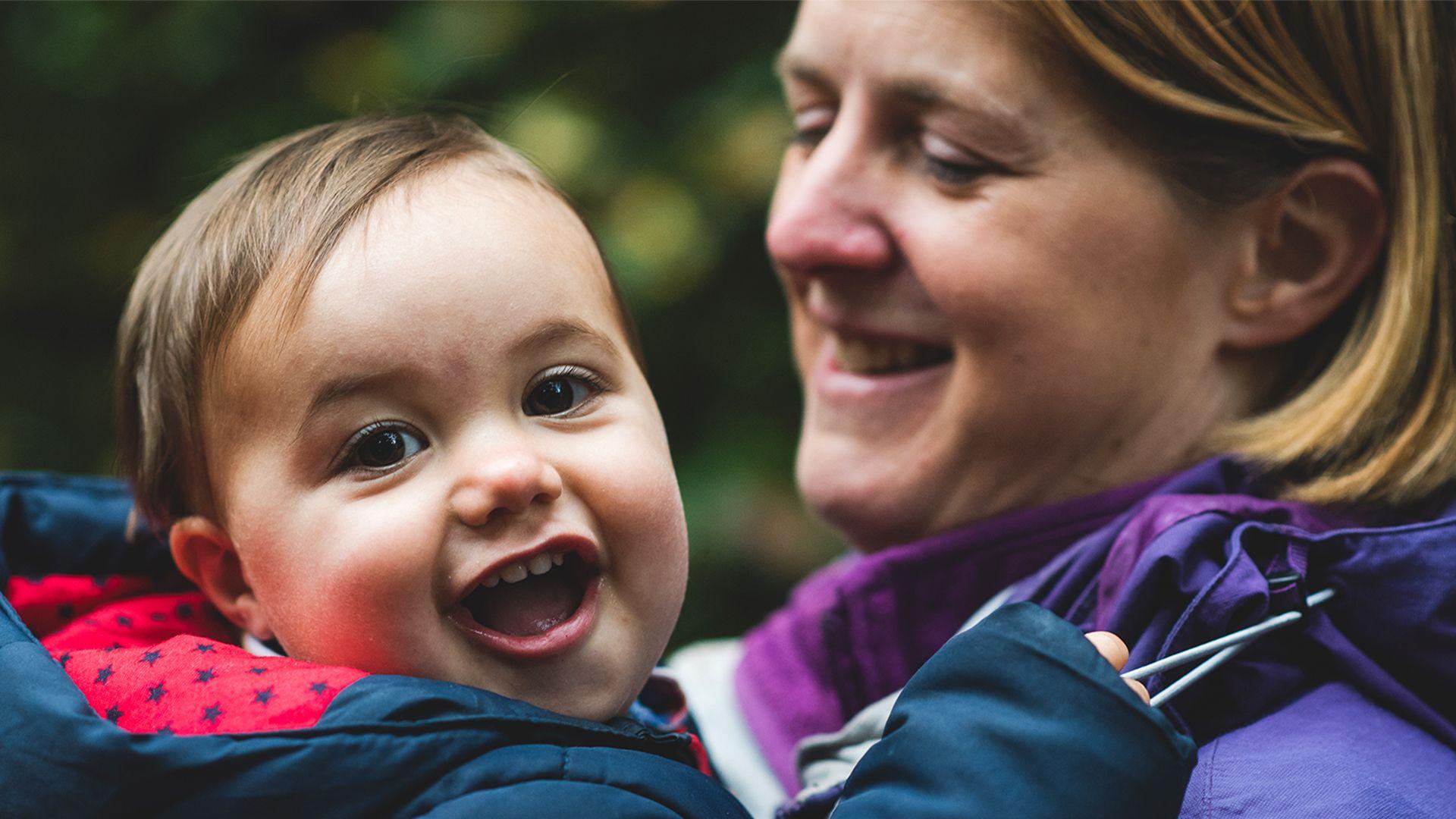
At least 30 children, most of them British, are feared to have been conceived by IVF treatment in northern Cyprus using the wrong sperm or egg donors.
In each case, the parents suspect they did not get the donors they had selected.
The figure is one of several new findings in a BBC investigation that, earlier this year, uncovered the first seven cases.
All the parents say they carefully selected anonymous donors based on information such as their medical history, appearance, personality, education and hobbies.
However, they have concerns the requested sperm and egg donors may not have been used in their fertility treatments.
Half of the 30 children were born from procedures at one clinic, Dogus IVF Centre.
“It’s absolutely scandalous,” said one of the mothers, Rachel, who recently learned that she received the wrong sperm donor from the clinic.
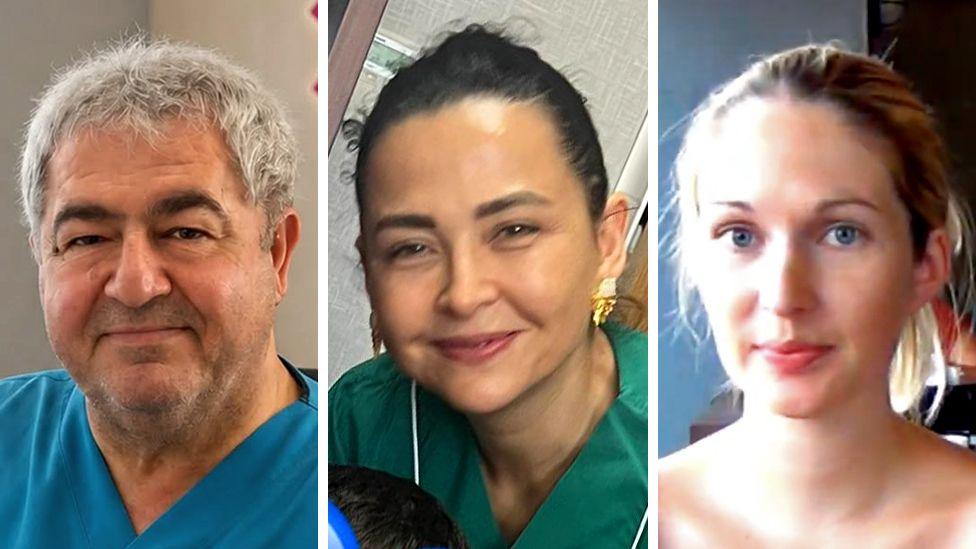
Three people – Dr Firdevs Uguz Tip, Dr Sevket Alpturk, and a patient co-ordinator Julie Hodson – were involved in the care of many of these patients at Dogus.
Parents suspect these members of staff may have misled them. Firdevs denies any wrongdoing and neither Alpturk or Hodson have responded to our questions.
The BBC has also now learnt that the world’s largest sperm bank, Cryos International, has blacklisted Dogus clinic since 2016.
-
Have you been affected by the issues raised in this story? Contact the BBC at: fertilityinvestigation@bbc.co.uk
In northern Cyprus – a territory where European Union laws do not apply and which is only legally recognised by Turkey – clinics are loosely regulated and promise patients low prices, high success rates and a wide choice of sperm and egg donors.
It is one of the most popular destinations for British people seeking fertility treatment abroad.
We first revealed the emerging scandal in March where a small group of parents appeared to have been misled about donors.
Responding to the allegations, the territory’s Ministry of Health said it had launched an official investigation. However, it has not responded to our repeated requests for more information.
Since then, more parents have contacted us and their stories have concerning similarities.
The majority said the clinics they had used had promised them screened, healthy donors from Western Europe, but that they had become suspicious after their children were born.
Eleven of the 30 children have now taken commercial DNA tests which show they have inherited genetic ancestry from Turkey or surrounding countries.
This suggests their parents’ requested donors were not used.
The majority of the children who have done DNA tests were conceived through IVF between 2012 and 2024 at Dogus clinic.
Families have been left with questions about who their children’s real donors are and their medical histories.
“These reports are deeply troubling,” said Laura Bridgens, founder of the charity Donor Conceived UK. “It’s a fundamental human right for a donor-conceived person to know the truth about their origins.”
Wrong sperm donor
Rachel says she spent years questioning whether she had been given the wrong sperm donor during her treatment at Dogus IVF Centre.
After reading our first article, she and her donor-conceived son Jonah, 13, decided to do DNA tests and the results indicated her fears were justified.
“I used to think the clinic had made a one-off mistake,” she said. But now, after we told her about more families coming forward, she said “it feels like this is something much bigger and more deceitful”.
To play this video you need to enable JavaScript in your browser.
This video can not be played
Rachel chose Dogus in 2012 because of a “helpful and friendly” patient co-ordinator called Julie Hodson, whose role was to liaise between Rachel and Dr Firdevs Uguz Tip – known professionally as Dr Firdevs – who was carrying out her treatment.
Rachel, who was 39 at the time, needed a sperm donor so her eggs could be fertilised in a lab to create an embryo which could then be implanted into her uterus.
The IVF package cost about €4,000 (roughly about £3,200 at the time), significantly cheaper than similar treatment in the UK, and included donor sperm from the world’s largest sperm bank, Cryos International, in Denmark.
Rachel selected an anonymous Danish sperm donor on the Cryos website. Known as Ditto (not his real name) on his profile, he stated he would be happy for any of his offspring to find out his identity when they turned 18.
“I wanted any child of mine to have the choice of being able to contact the donor,” said Rachel. “For a child trying to figure out who they are in the world, it could be really important.”
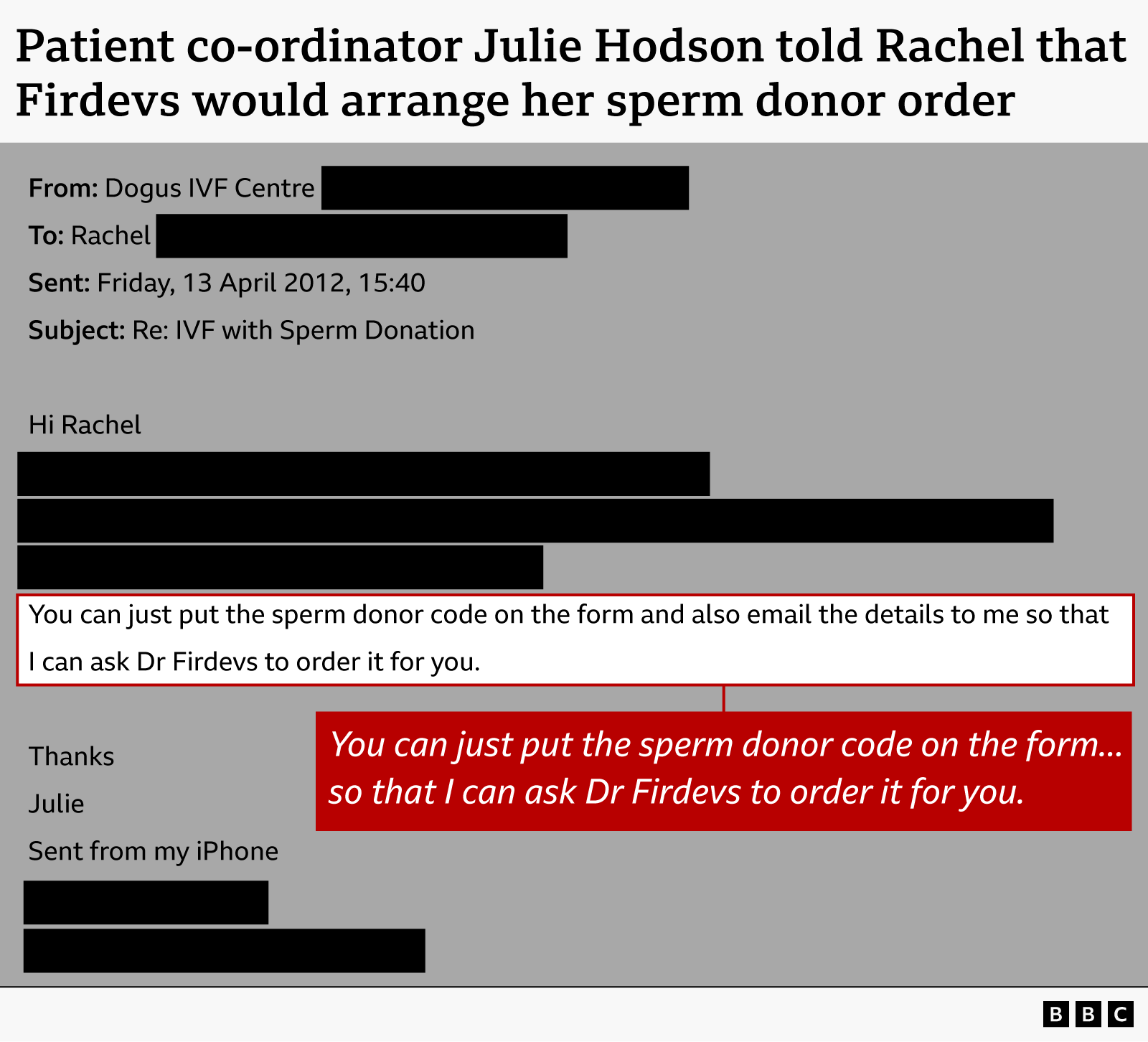
Several patient co-ordinators at the IVF clinic, including Hodson, told Rachel that Firdevs would arrange her sperm donor order.
Rachel travelled to northern Cyprus for the fertility treatment – and became pregnant shortly afterwards.
She says she first became concerned that Ditto was not the donor when patient co-ordinators, including Hodson, repeatedly refused to send her a medical report confirming his sperm had been used.
When he was born, Jonah’s physical appearance also raised questions – it differed greatly from both her own and the one described in Ditto’s profile.
Now, after 13 years of uncertainty, Rachel and Jonah’s DNA tests indicate that he is her biological son, but that Ditto was not the sperm donor.
Sunshine and Secrets: The hidden side of IVF
What happens when the sperm or egg donor you choose isn’t the one you get? We speak to British families who have made disturbing discoveries about their IVF treatment in northern Cyprus.
After viewing the DNA results, BBC News approached Cryos which says it has no record of ever delivering sperm to the Dogus clinic. That is despite Dogus having advertised its relationship with the sperm bank as a key selling point for many years.
This adds further weight to the belief of several families that they were deceived about the real sperm donors used in their treatments.
There could be many more.
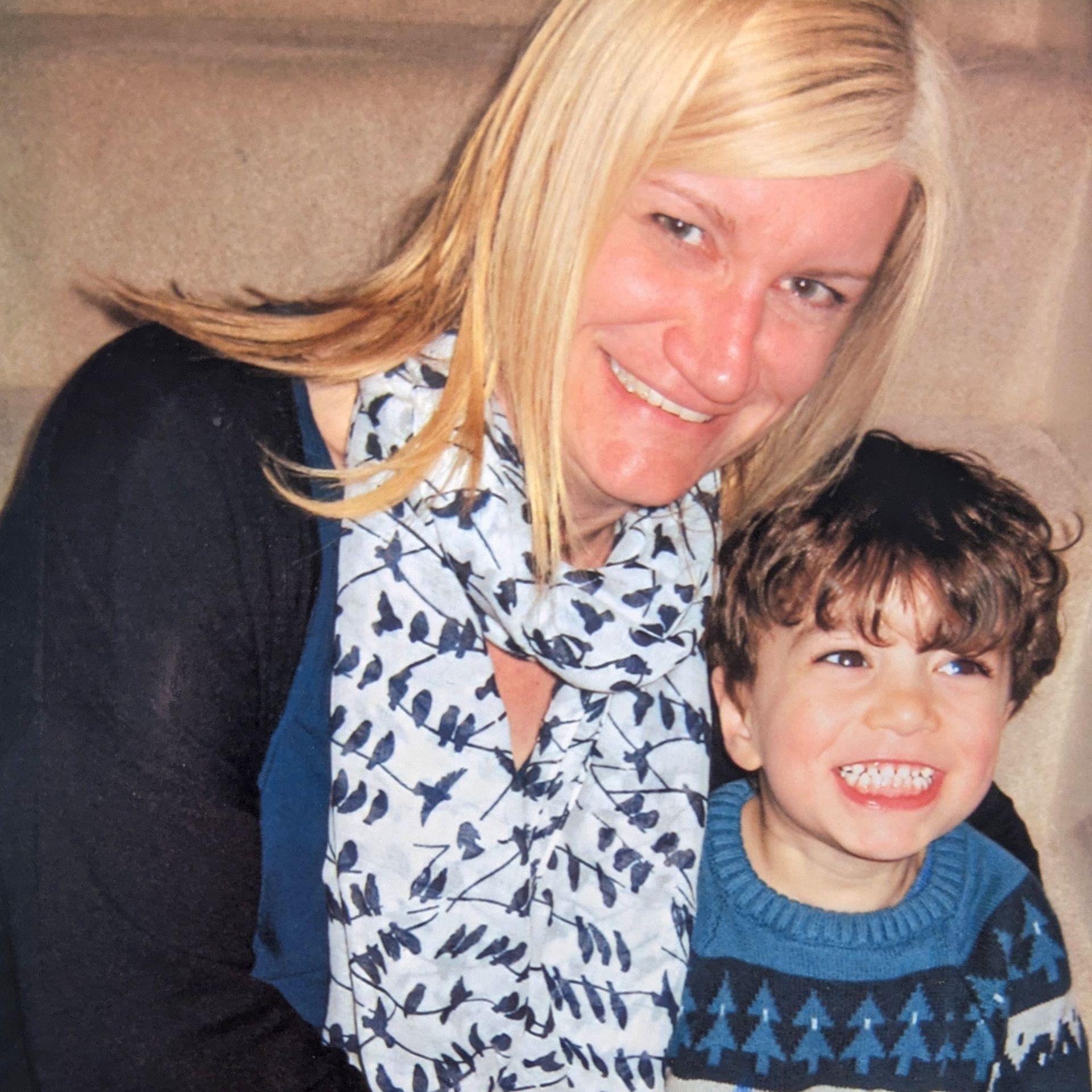
Rachel says what has been uncovered makes no difference to the love she has for Jonah – but what upsets her the most is that Jonah may have lost the opportunity to contact his donor in the future.
She also does not know if his real donor has been used in other IVF treatments. “I wouldn’t be surprised if there are genetic siblings out there,” she adds.
Negligence or deception?
When we presented the findings of our latest investigation to a range of fertility experts, they were shocked that 30 children could be affected.
The accidental use of an incorrect donor during an IVF procedure is extremely rare, they told us, and for an error of this magnitude to occur on multiple occasions suggests “negligence” or “deception”.
It indicates a “systemic problem which transcends one rogue doctor and one rogue clinic”, according to the British Fertility Society.
Of the 15 cases linked to Dogus, three members of staff were repeatedly involved.
Dr Sevket Alpturk is the owner and “responsible manager” of the clinic whose role it is to sign off all procedures and activities, according to the northern Cypriot government.
He treated the parents of six children at Dogus who have told the BBC they suspect they may have been given the wrong sperm or egg donors.
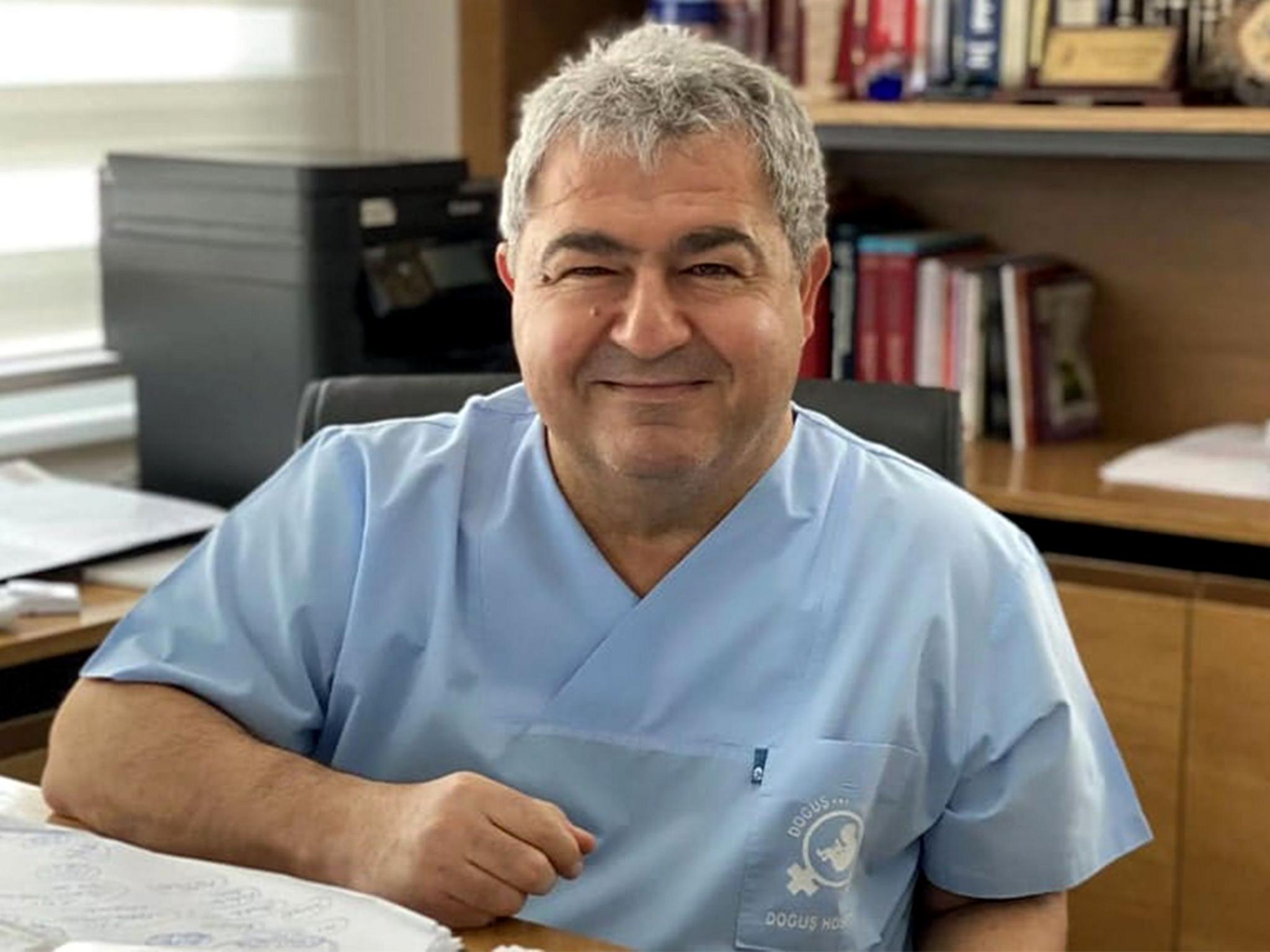
The BBC has put these allegations to Alpturk, but he has not responded to our questions.
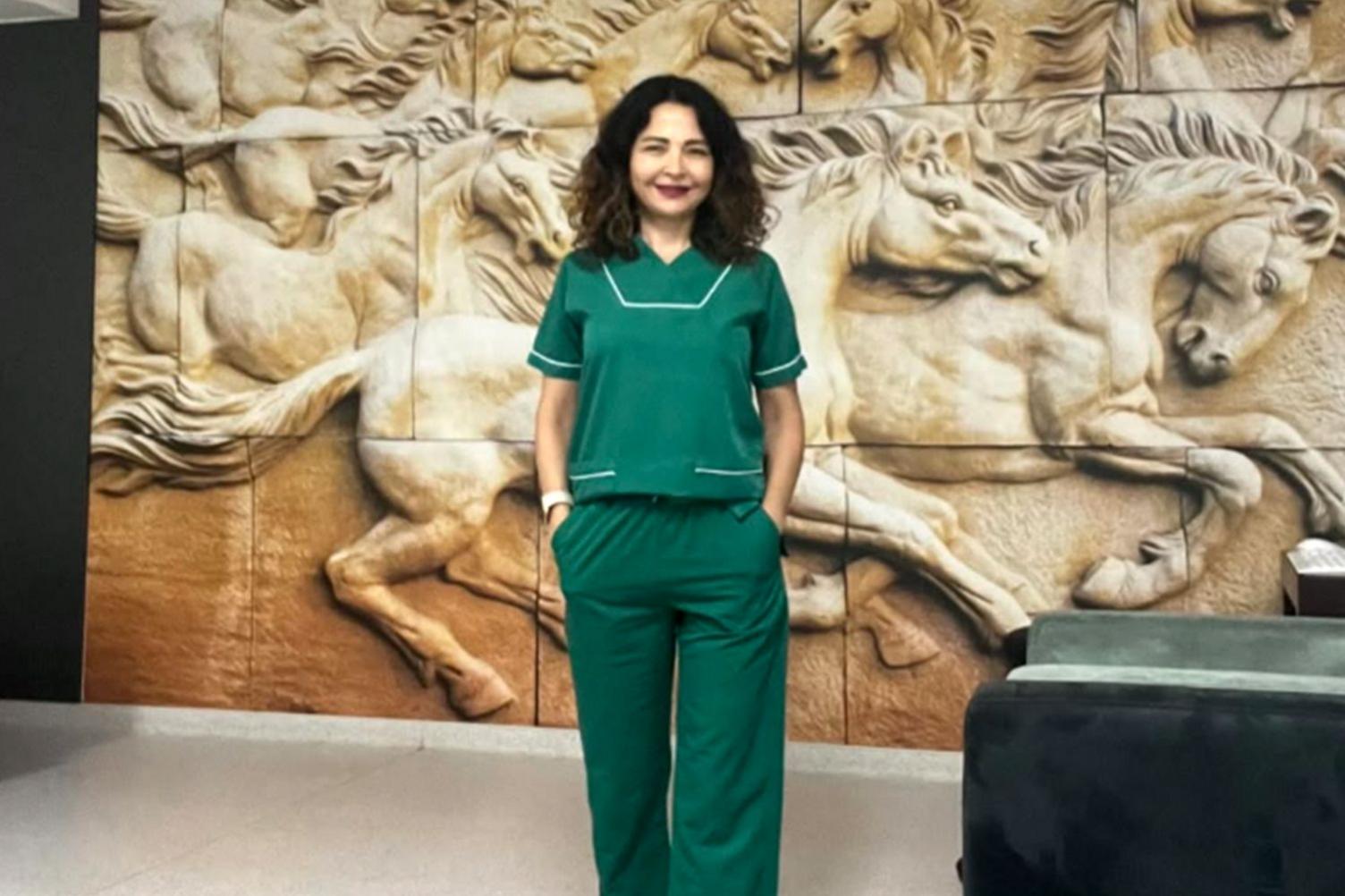
The nine other children linked to Dogus were treated by Firdevs. However, she says Alpturk was responsible for signing off procedures at the clinic and she denies ever misleading patients.
Firdevs was also the doctor for a further nine cases of a similar nature at two other clinics after she left Dogus in 2015.
The majority of those cases occurred at Miracle IVF, which she currently runs. She insists it has always complied with the law. She also says that her patients sign consent forms which explain how donors are chosen, but many of the parents we’ve spoken to say they were not properly informed.
The final person linked to many of the Dogus cases was Julie Hodson, who was the primary contact for most British patients.
She regularly said in emails to patients that Firdevs would order sperm from the sperm bank Cryos on their behalf.
However, Firdevs has told us sperm procurement was not part of her job and she did not know patients were being informed otherwise.
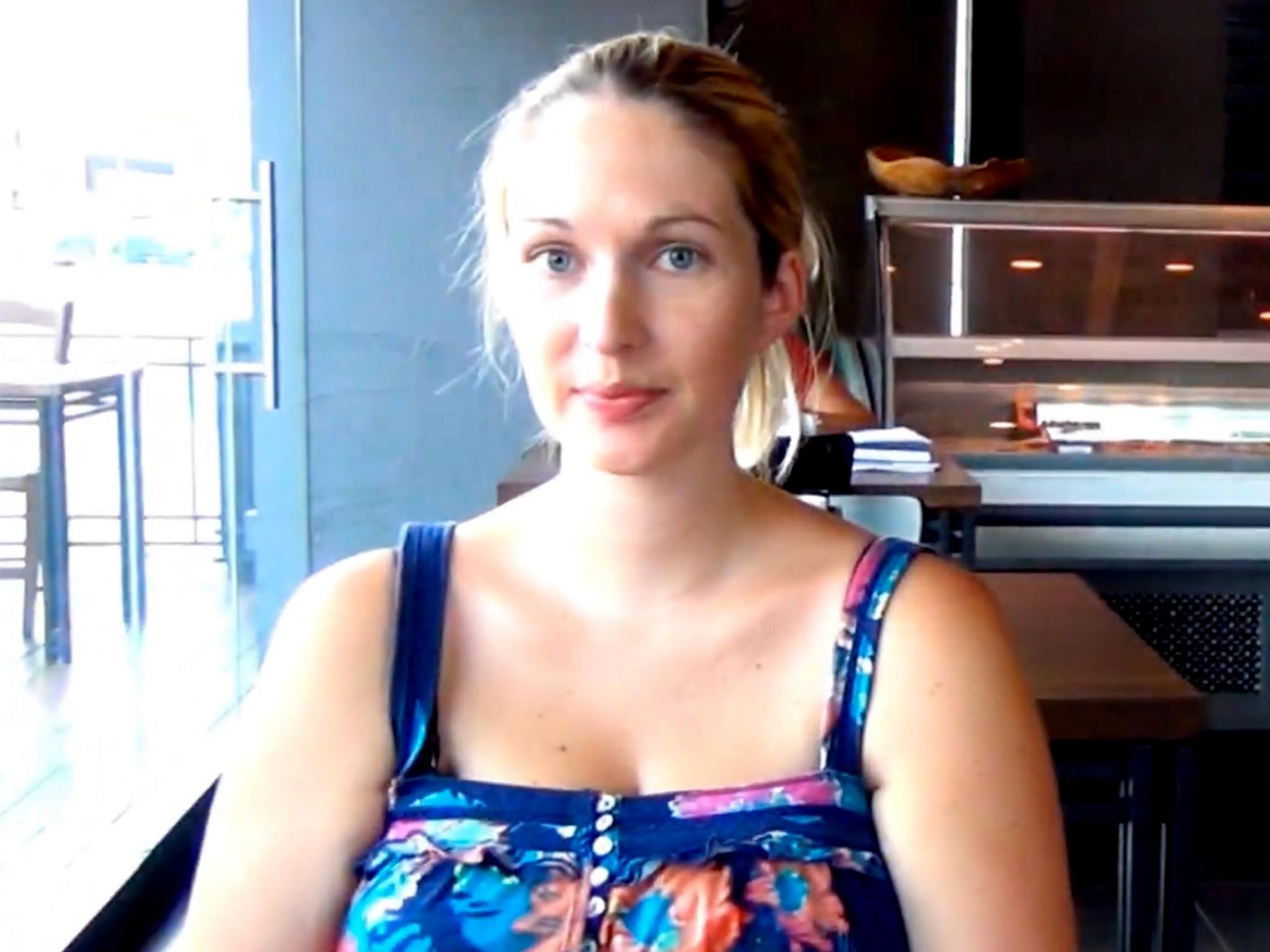
We have asked Hodson whether she deliberately failed to place orders with Cryos or did not pass these patient requests on to Dogus staff – but she has not responded to any of our attempts to contact her.
Both Hodson and Firdevs have also been accused of dismissing or ignoring patients when they contacted them about concerns they had been given the wrong donors.
Responding to our findings, the CEO of Cryos, Ole Schou said he is “shocked to hear how many families may be affected”.
The sperm bank revealed to us it had blacklisted Dogus in 2016 over a concern that the clinic had failed to order Cryos sperm for a patient despite saying it would.
The sperm bank has now also suspended working with Firdevs and Miracle IVF until the northern Cyprus government investigation has concluded.
Firdevs says she has now been cleared of breaching any laws, but the BBC has been unable to confirm this claim with the territory’s Ministry of Health.
-
Details of organisations offering information and support with infertility are available at BBC Action Line
We may never know who was ultimately responsible for the wrong donors being given to parents.
For much of his young life Jonah thought he was one-half Danish. But DNA tests have revealed he has Turkish and southern European ancestry instead.
“Luckily Jonah was fascinated to find out about his heritage,” said Rachel.
“Even so, what happened is not OK. It’s a huge deal and could have been absolutely traumatising for him.”