
[[{“value”:”
The air is crisp, the leaves are crunchy, and your emotional support dog is probably zooming around with more energy than ever. Autumn is a super fun season, but because everything is changing outside, it also brings some hidden dangers for our furry friends.
Just like you learn to look both ways before crossing the street, your dog needs your help to stay safe from the unexpected stuff that pops up in fall. This guide will walk you through the most important Autumn Pet Hazards so you and your best pal can enjoy the season without a scary trip to the vet.
First, we’ll talk about the sneaky poisons you might find outside. Then, we will look at strange outdoor snacks your dog might try to eat. Finally, we will cover the mental health stuff—because loud noises and changing routines can be tough on their feelings, too!
1. The Sneaky Poisons: Antifreeze and Rodent Traps
The Sweet, Deadly Danger: Antifreeze
Of all the Autumn Pet Hazards, antifreeze is one of the most dangerous. This liquid, which car owners use to keep their engines from freezing, is highly toxic to dogs, even in very small amounts.
Here’s the scary part: antifreeze, which is often bright green or blue, has a sweet taste. Dogs like it! Consequently, if even a tiny bit leaks out of a car or spills on your driveway, a curious dog might lick it up. Furthermore, licking it can cause severe, life-threatening damage to your dog’s kidneys.
So, what should you do?
- Always keep antifreeze containers tightly sealed and stored up high where your dog can’t reach them.
- Next, if you see any colored liquid on the ground while walking your dog, steer them far away. Remember, a small puddle might be hidden under those pretty fall leaves.
- If you suspect your dog has licked antifreeze, you need to call your veterinarian or the pet poison control center right away. Don’t wait!
Rodent Traps and Poisons
When the weather gets cold, tiny animals like mice and rats start looking for warm homes, which often means inside our houses or garages. Therefore, many people start putting out poisons (rodenticides) to get rid of them.
These poisons are designed to taste good to rodents, but they also taste good to dogs. Unfortunately, if your dog eats this poison, or even eats a mouse that died from the poison, it can make them very, very sick.
To protect your pet:
- Make sure all rodent baits are placed where your dog absolutely cannot reach them, such as behind walls or in locked cabinets.
- Also, be careful if you are walking near barns or other outdoor structures where people might use these poisons. This is an important part of avoiding Autumn Pet Hazards.
2. Strange Outdoor Snacks: Acorns, Mushrooms, and Leaves
Dogs explore the world with their noses and mouths, so they are constantly trying to eat things off the ground. In autumn, the ground is covered in new and potentially harmful snacks.
Acorns and Conkers

If you have oak trees nearby, you know that fall means falling acorns. Although they look like simple nuts, acorns contain a chemical called tannic acid. If dogs eat too many of them, this acid can make them vomit, give them tummy pain, and can even damage their kidneys or liver.
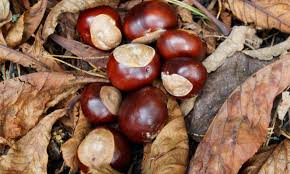
Similarly, conkers (the seeds from Horse Chestnut trees) are another common sight. They contain a poison called aesculin. Besides being toxic, acorns and conkers are hard and large, meaning they can cause a serious and painful blockage in your dog’s intestines if swallowed whole. As a result, always watch your dog closely in the park.
Toxic Mushrooms
Mushroom season is fall! While most mushrooms are safe, it is extremely difficult to tell the safe ones from the poisonous ones. In fact, even a small piece of a toxic mushroom can cause severe illness, including liver failure or seizures.
Since you can’t trust your eye to tell the difference, the best rule is: never let your dog eat any wild mushrooms. If you see any growing in your yard, safely remove them right away.

Perilous Piles of Leaves
Who doesn’t love jumping in a big pile of leaves? Your dog does! However, those piles are often full of Autumn Pet Hazards.
- First, the leaves themselves can hide sharp sticks or litter.
- Second, decaying leaves can grow mold. Inhaling or eating this mold can make your dog very sick.
- Finally, leaf piles are the perfect hiding place for ticks, fleas, and spiders, which can bite or infest your pet.
Therefore, try to keep your dog out of large, old, damp piles of leaves.
3. The Emotional Hazards: Fireworks and Routine Changes
Even though we call them “hazards,” these dangers affect your dog’s emotional health. Remember, your dog is an Emotional Support Animal (ESA), so their feelings are just as important as their physical safety.
Loud Noises and Light
Autumn brings holidays like Halloween and, soon after, the start of fireworks season. Consequently, the sudden bright flashes, loud bangs, and streams of trick-or-treaters can be very scary for sensitive dogs.
- When you know fireworks are coming, create a safe, comfy den for your dog (like a crate covered with a blanket) in an inside room.
- Next, try playing some calming music or white noise to help drown out the scary booms.
Shorter Days and Changing Routines
As the days get shorter, your dog’s whole routine can get messed up. For instance, maybe their afternoon walk now happens in the dark, or they spend more time alone inside while you’re at work. This can lead to boredom, pacing, or even anxiety.
To help with this emotional hazard:
- Try to keep feeding and potty times the same every day. Consistency is calming.
- Introduce new indoor games and mental puzzles. For example, hiding treats under cups or giving them a toy filled with frozen peanut butter is a great mental workout. This helps them feel calm and busy, and thus supports their mental health.
By being aware of these Autumn Pet Hazards, both physical and emotional, you are being the best pet parent possible!
Ready to Give Your Dog the Best Emotional Support This Fall?
Now that you know all the physical and emotional Autumn Pet Hazards to watch out for, you might be wondering about your dog’s deeper needs. After all, the special bond you share means you want to be sure you’re giving them the best support possible.
Do you sometimes feel like you’re guessing what your dog needs to feel safe and happy during these big seasonal changes? Then, it’s the perfect time to check in!
At Emotional Pet Support, we have created a simple, quick assessment that helps you understand exactly how well you are meeting your dog’s unique emotional and support needs. It’s easy, and it gives you personalized tips that you can use right away to strengthen your bond.
Don’t let anxiety or the changing seasons get in the way of a happy, calm relationship. Take the first step today!
Come take our quick emotional support assessment and strengthen your bond now:
The post Stop! Look! Listen! Autumn Pet Hazards Are Here! first appeared on Emotional Pet Support.”}]]