
[[{“value”:”
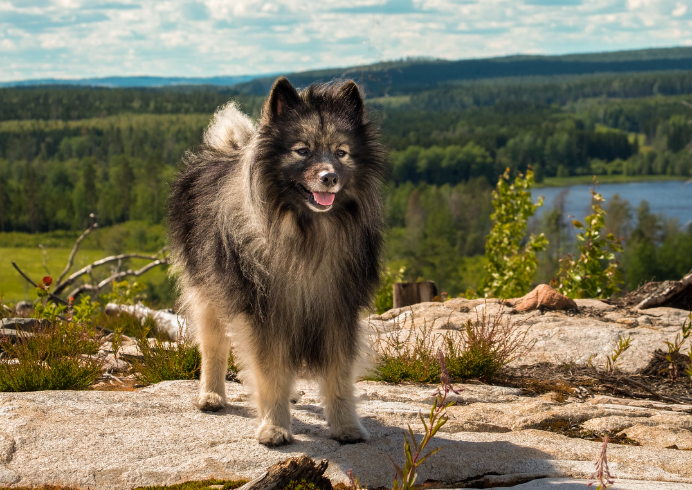
The Keeshond, known for its intelligence, affectionate nature, and striking appearance, is a versatile breed that can excel in various roles, including being a psychiatric service dog. For individuals with mental health conditions such as anxiety, depression, PTSD, or other psychiatric disorders, a well-trained service dog can provide essential support and companionship. In this guide, we’ll explore why the Keeshond is an excellent choice for a psychiatric service dog, training tips, and how to get started with this journey.
Why Choose a Keeshond as a Psychiatric Service Dog?
The Keeshond is a medium-sized breed originating from the Netherlands. Known as the “Smiling Dutchman,” this breed is friendly, alert, and highly trainable. Here are some reasons why Keeshonds are well-suited for psychiatric service dog work:
- Intelligence and Trainability
Keeshonds are quick learners and eager to please, making them excellent candidates for advanced training. - Loyal and Affectionate Personality
They form strong bonds with their owners, offering comfort and companionship. Their innate empathy makes them attuned to their handler’s emotional states. - Moderate Energy Levels
While active and playful, Keeshonds are not overly demanding in terms of physical exercise, making them manageable for handlers with varying activity levels. - Adaptability
Whether living in an apartment or a larger home, Keeshonds adapt well, provided they receive sufficient mental stimulation and attention.
Key Tasks for a Psychiatric Service Dog
Psychiatric service dogs are trained to perform specific tasks to assist their handlers. A Keeshond can be trained for a variety of tasks, including:
- Deep Pressure Therapy (DPT): Applying gentle pressure to calm anxiety or panic attacks.
- Interrupting Negative Behaviors: Nudging, pawing, or licking to distract from repetitive or harmful behaviors.
- Grounding During Dissociation: Providing physical contact to bring the handler back to the present moment.
- Medication Reminders: Alerting the handler to take prescribed medications on time.
- Creating a Buffer in Crowds: Standing between the handler and others to reduce feelings of overwhelm.
Training Your Keeshond for Psychiatric Service Dog Work
Training a service dog requires patience, consistency, and professional guidance. Here are the steps to train your Keeshond:
1. Basic Obedience Training
Before specializing in psychiatric tasks, your Keeshond should master basic commands such as:
- Sit
- Stay
- Come
- Down
- Leave It
2. Socialization
Expose your Keeshond to various environments, people, and situations to ensure they remain calm and focused in diverse settings.
3. Task-Specific Training
Teach your dog the tasks tailored to your psychiatric needs. For example:
- To train deep pressure therapy, encourage your dog to place their paws or head on your lap when signaled.
- For interrupting behaviors, reward them for nudging or pawing you when noticing signs of distress.
4. Public Access Training
Service dogs must behave impeccably in public spaces. Train your Keeshond to ignore distractions, stay by your side, and remain calm in busy environments.
5. Work with a Professional Trainer
Consulting a trainer experienced in service dog training ensures your Keeshond meets the standards required for psychiatric service work.
Caring for Your Keeshond
Proper care is essential to keep your Keeshond happy and healthy as they take on the responsibilities of being a psychiatric service dog.
- Nutrition: Provide a balanced diet appropriate for their size, age, and activity level.
- Grooming: With their thick double coat, regular brushing is necessary to prevent matting and reduce shedding.
- Exercise: Aim for at least 30 minutes of daily physical activity combined with mental stimulation through training and puzzle toys.
- Vet Checkups: Routine veterinary visits ensure they remain in optimal health.

How to Get Started with Psychiatric Service Dog Certification
If you’re considering a Keeshond as a psychiatric service dog, you’ll need proper documentation and training to ensure your dog qualifies under the Americans with Disabilities Act (ADA).
- Consult a Mental Health Professional
Speak with a licensed therapist or psychiatrist to determine if a psychiatric service dog is right for you. - Work with a Reputable Training Program
Whether you train your Keeshond yourself or enlist the help of a professional, ensure they meet all requirements for service dogs. - Understand Legal Protections
Psychiatric service dogs are protected under the ADA, allowing them access to public spaces and housing without discrimination.
The Role of a Keeshond in Your Mental Health Journey
A Keeshond trained as a psychiatric service dog can be a life-changing addition for individuals struggling with mental health conditions. Their unconditional love, intuitive nature, and ability to perform essential tasks provide the support needed to navigate daily challenges.

Investing in the training and care of a Keeshond will not only improve your quality of life but also strengthen the bond between you and your furry companion.
Explore Psychiatric Service Dog Certification Services
If you’re ready to begin your journey with a Keeshond as your psychiatric service dog, our team at Emotional Pet Support is here to help. We connect individuals to licensed mental health professionals for official psychiatric service dog letters and provide resources to guide you through the training and certification process.
Take the first step toward a healthier and more supported life with a Keeshond by your side. Contact us today to learn more about our services and how we can assist you!
The post How To Make A Keeshond be a Psychiatric Service Dog first appeared on Emotional Pet Support.”}]]