
[[{“value”:”
Have you noticed your mood starting to drop right when the leaves do? Do you feel tired all the time, even though you’re getting enough sleep? If the darker, colder days make you feel low, you are not alone.
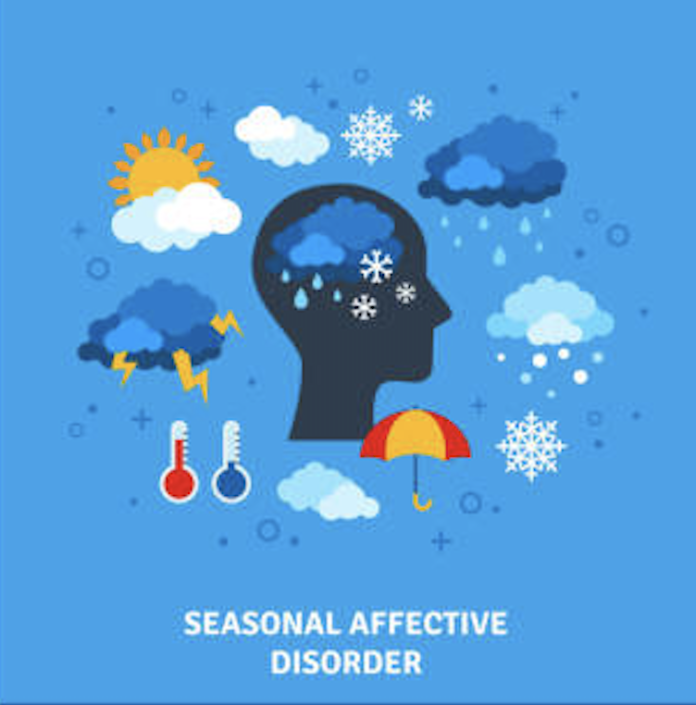
The shift into November means shorter daylight hours and a lot less sunshine. For millions of people, this change triggers a real medical condition called Seasonal Affective Disorder (SAD). Think of it as seasonal depression—a mood change that starts in the fall and ends in the spring.
The good news is that feeling sluggish, sad, or hopeless doesn’t have to be your normal all winter long. You can fight back! Here are five simple, science-backed steps you can take right now to beat the winter blues and take care of your mental health.
1. Let the Light In (Literally!)
The main cause of Seasonal Affective Disorder is believed to be the drop in natural sunlight. Sunlight helps your body regulate important brain chemicals like serotonin (which affects mood) and melatonin (which affects sleep). Less light throws this balance off.
So, your number one weapon is light!
- Go Outside: Even 15 minutes of sunlight in the morning can make a difference. If you can, take a quick walk when the sun is at its highest point.
- Open the Curtains: Immediately open all the blinds and curtains in your house and at work. Sit near a window whenever possible.
- Try Light Therapy: One of the most common and effective treatments for SAD is using a special bright light box (often called a light therapy lamp). You sit in front of it for about 20 to 30 minutes each day. The light mimics natural outdoor light and helps restart those important brain chemicals.
If you suspect you have SAD, it’s wise to read more about the symptoms and how it affects the body on health organization sites like the National Institute of Mental Health (NIMH).

2. Never Stop Moving
When you feel sluggish, the last thing you want to do is exercise. But getting your body moving is one of the best ways to fight seasonal depression.
Exercise releases endorphins, which are natural mood boosters, and it helps reduce stress.
- Make it Simple: You don’t need a gym membership. Just put on some music and dance around your living room for 10 minutes.
- Walk the Talk: If you have a pet, make sure you keep up your walking routine. Not only is it good for your pet’s emotional health, but the simple act of putting on a coat and stepping out the door can interrupt the cycle of staying indoors and feeling low.
- Schedule It: Write “30 minutes of movement” in your calendar, just like a doctor’s appointment. Treat it as a non-negotiable part of your self-care.
3. Protect Your Sleep Schedule
One common symptom of Seasonal Affective Disorder is changes in sleep. Some people sleep too much (hypersomnia), feeling exhausted even after a full night’s rest. Others have trouble sleeping (insomnia).
The best thing you can do is protect your sleep routine and make sure it is a priority.
- Wake Up at the Same Time: The most important rule is keeping the same wake-up time, even on weekends. This helps regulate your body’s natural clock.
- Limit Screen Time: Put away your phone, tablet, and computer for at least one hour before bed. The blue light from screens blocks the production of melatonin, making it harder to fall asleep.
- Create a Ritual: Take a warm bath, read a physical book, or do some gentle stretching. A calming ritual signals to your brain that it’s time to wind down.
If you are struggling with sleep or other symptoms, it is always a good idea to speak with your doctor. You can find detailed, authoritative information about light therapy and other SAD treatments on major health websites.
4. Prioritize Your Social Time
When you’re feeling depressed, it’s natural to want to pull away from people. But isolation makes seasonal depressionmuch worse.
Social connection is like a vaccine against the winter blues. It reminds you that you are valued and gives you a necessary distraction from negative thoughts.
- Say Yes (Sometimes): If a friend invites you out, make yourself go—even if it’s just for an hour.
- Schedule Check-ins: Plan video calls with family members who live far away. Seeing their faces can be a huge lift.
- Stay Present: When you are with others, try to keep your phone put away. Give your attention to the people in the room to make the social interaction more meaningful.
5. Lean on the Power of Companionship
If you already have a pet, you know how powerful their support is. They provide unconditional love, a warm presence, and a reason to get out of bed every morning.
This is especially helpful when dealing with SAD.
- Routine for Two: Your dog needs to be walked and fed, and your cat needs a clean litter box. Pets force you to maintain a routine, which we already know is vital for fighting depression.
- Therapeutic Touch: Petting an animal lowers your heart rate and blood pressure, naturally reducing feelings of stress and anxiety. They help ground you in the present moment.
Your pet is a key part of your overall self-care plan and emotional health. You can see how strong the connection is by looking at your emotional blueprint and the role your pet plays in your daily life.
By taking these steps, you are actively managing the season change and putting your mental health first.
Disclaimer: Always consult a doctor and take the above advice with your own discretion. This is NOT medical advice.
The post Feeling A Bit Sad? Here’s 5 Ways to Beat Seasonal Depression first appeared on Emotional Pet Support LLC.”}]]