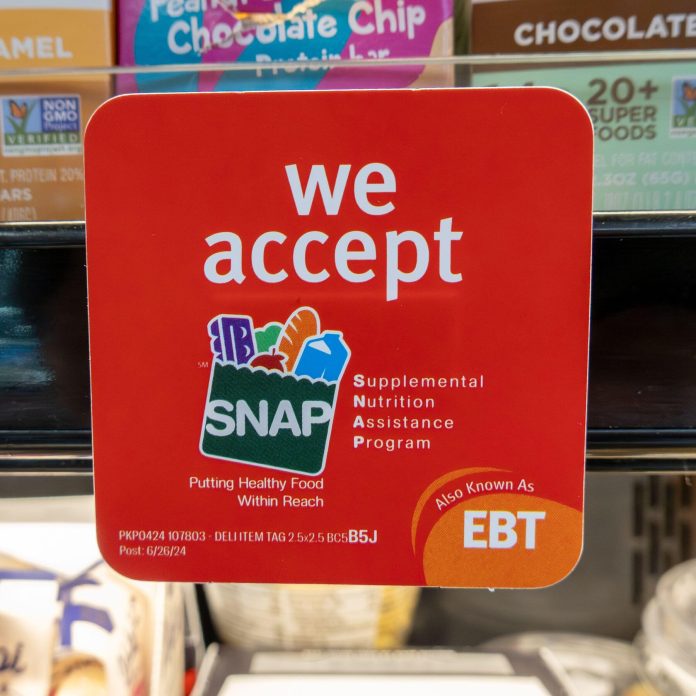

President Trump’s policy bill would make significant cuts to the food aid program, once known as food stamps, used by about 42 million people.
The domestic policy package the Senate passed on Tuesday includes cuts to SNAP, the federally funded Supplemental Nutrition Assistance Program, once known as food stamps. Republicans say the program is badly managed and discourages people from working; opponents of the bill say the proposed cuts would leave millions of adults and children hungry and burden states with new costs.
The bill, championed by President Trump, now heads back to the House, which can approve, amend or reject it. Here’s what we know about SNAP, and what could change.
What are SNAP benefits?
The federal Supplemental Nutrition Assistance Program is how the federal government helps people buy food if they cannot afford it. About 42 million Americans, living in 22 million households, use SNAP.
Who qualifies?
Almost anyone whose income is at or below the poverty line set by the federal government in a given year. The amount is determined by the cost of necessities like food, clothes and housing, following the Consumer Price Index.
In 2025, that number is $15,060 or less for one person, or $30,000 for a household of four. Many people and households can be eligible under certain other circumstances: if they include children, are disabled or are age 60 or older.