
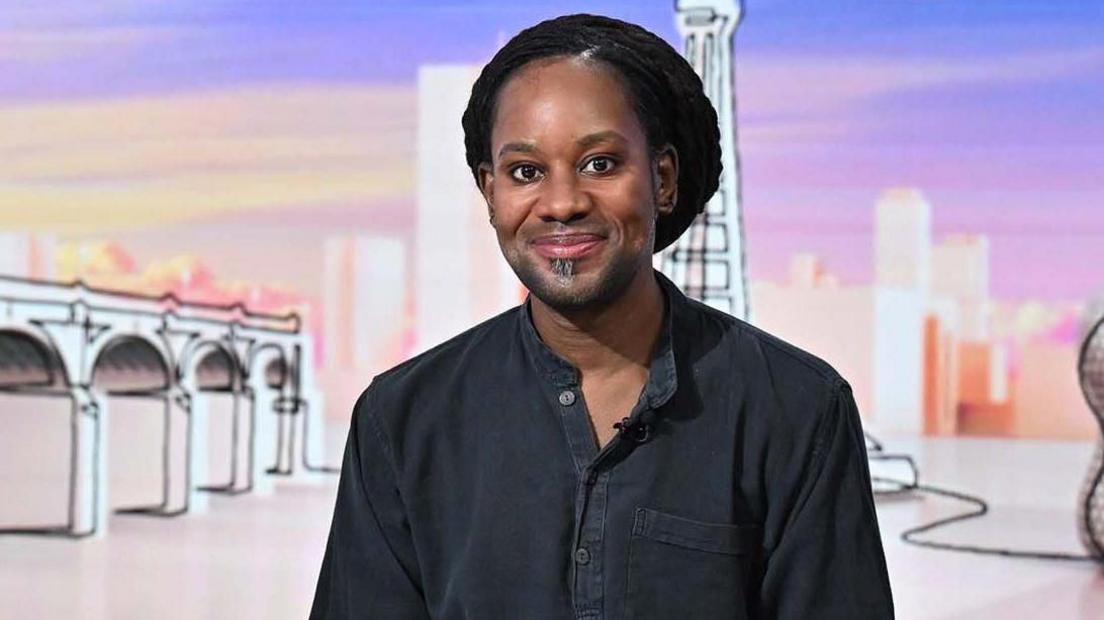
A University of Cambridge professor at the centre of a plagiarism row has resigned “with immediate effect”.
On Wednesday the university said it had launched an investigation into Professor Jason Arday “following new information” about his “academic qualifications and honorary appointments”.
Arday – who became the university’s youngest ever black professor in 2023 – has admitted errors in his work, but said he had faced “an unrelenting level of public scrutiny and personal attack” and was not a “liar”.
It came after a series of media reports questioning some of his achievements and allegations of plagiarism in his PhD thesis.
Arday said he had “concluded that the only way to bring this chapter to an end is to step away”.
In the statement posted by the Good Law Project on Wednesday, Arday said that being appointed professor had been “without question, the greatest professional privilege of my life”.
But he added: “There comes a point when the personal cost becomes too great.”
He said his resignation should not “be interpreted as a loss of faith in scholarship or in the values that first brought me to Cambridge.
“Nor should it be mistaken for an acceptance of the narratives that have surrounded me.”
Thanking his students and colleagues, he said that “for my own wellbeing, for my family, and for those who have stood by me throughout this difficult period, I have concluded that the only way to bring this chapter to an end is to step away”.
Arday said “this is not the end of my work” and that he needed “time to heal”.
“When that time comes, I will return,” he added.
Accusations of plagiarism in Arday’s work were first voiced by Nathan Cofnas – a US researcher and self-defined “race realist”, whose role at a Cambridge college was terminated after backlash to his view that under a true meritocracy black people would “disappear from almost all high-profile positions outside of sports and entertainment”.
He claimed on Substack that he had put Arday’s work through a plagiarism detection software, which found that “many passages are lifted with minimal editing, sometimes retaining copy-editing mistakes from the original source”.
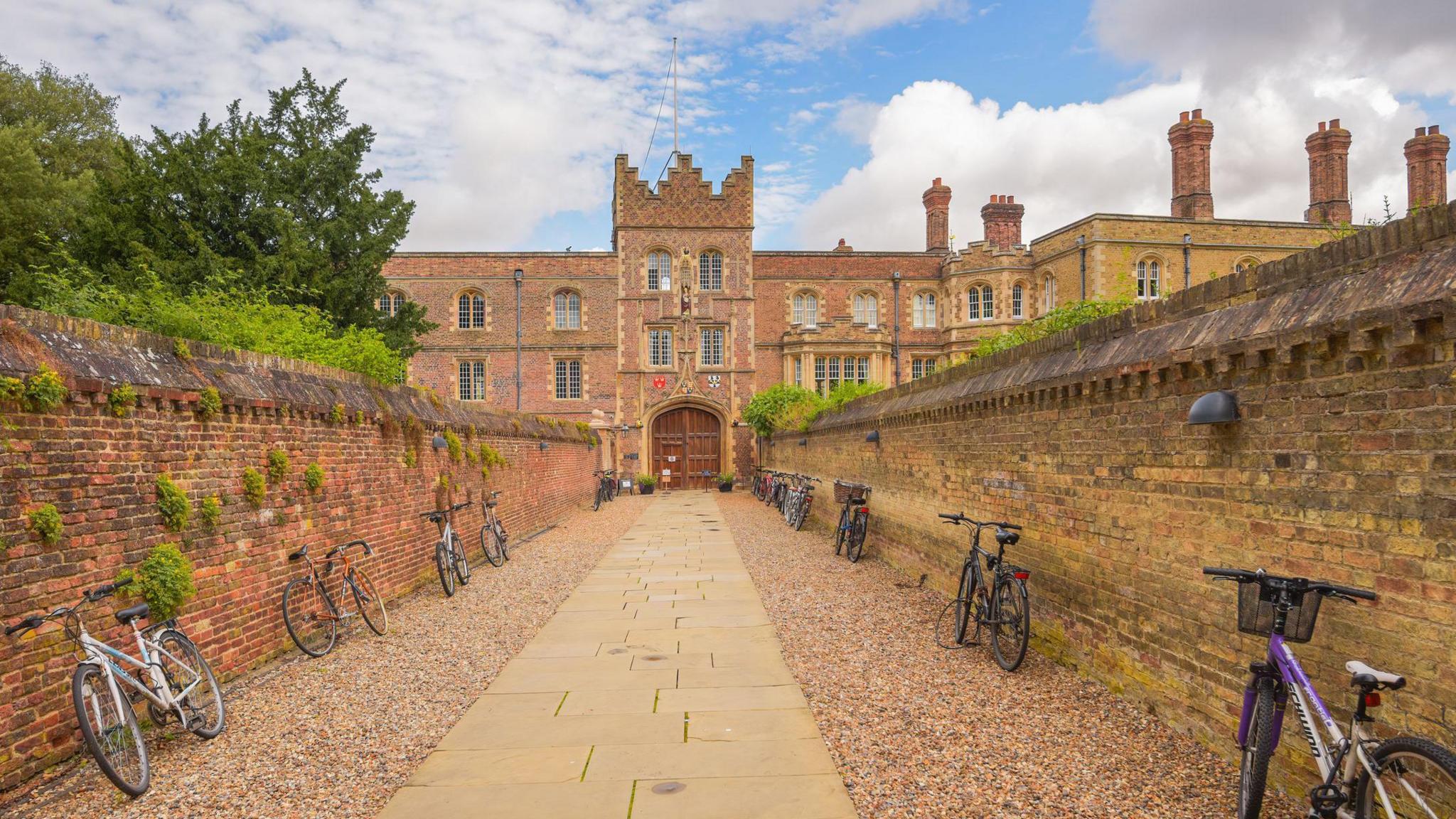 Image source, Getty Images
On Saturday, Arday told the Times in an interview that he was accountable for those mistakes, but that “what I am not is a liar”.
He told the newspaper: “There has been, since I arrived at Cambridge, a very well orchestrated and co-ordinated campaign to unseat me from my position.”
He suggested that this was “racially motivated” and that he had become a “lightning rod” for criticism of diversity, equity and inclusion (DEI) policy.
Arday said some errors in his early academic work was because of his autism, as he relied on using mimicry to make sense of information, and that similar scrutiny would find similar errors in work by other academics.
“We’re talking about academia here. I didn’t murder somebody. I think the cruelty that I’ve experienced and the positioning of me as this kind of liar and fantasist is totally unacceptable,” he told the newspaper.
Cofnas had also questioned Arday’s claims that he ran 30 marathons in 35 days, and 300 miles in three days for charity, which Arday said had raised more than £5m for charity, as well as running 600 miles on a treadmill in six days.
Arday told the Guardian, external that the £5m was raised with the help of others over a 20-year period, but said he could not name these people as he had signed non-disclosure agreements.
When asked by the newspaper about the 600 miles challenge, he said it was actually completed over a 12-day period to allow for rest days because of the “cumulative wear and tear of training” from previous challenges.
He told the Times that he stood by the other running records.
“I can’t make people believe me,” he said. “Nobody lives their life having a receipt for every single thing they say or they’ve done.”
Earlier on Wednesday, the University of Cambridge said its inquiry had begun “following new information” about Arday’s “academic qualifications and honorary appointments”.
“Separately, there remains a number of ongoing complaints regarding academic misconduct, which are being handled in line with our Misconduct in Research policy,” the university said in a statement.
It added: “While we are fully aware of the public commentary and concerns around this matter, it remains vital that any process is thorough and adheres to both university policies and employment law.
“We also fully recognise that there is a person at the centre of this situation, and we continue to provide support to him.”
Jesus College, where Arday is a fellow, has said it is launching its own process “parallel” to the university’s investigation.
Earlier on Wednesday, publisher Simon & Schuster – which is set to publish Arday’s memoir later this month – defended Arday in a statement to AFP news agency.
“We are proud to publish Professor Jason Arday. We have worked closely with him… and can speak to the professionalism and integrity he has brought to every stage of the publication,” Simon & Schuster said.
Jovan Owusu-Nepaul, who describes himself as an associate of Arday, told BBC Newsnight on Wednesday that he found “the whole thing regrettable”.
“From, I think, how he’s been treated and the quite obtuse spotlight on him about his CV – career – at Cambridge University,” he said. “I think it’s also regrettable that there may be some untruths that have come out about his CV.”
He said it was “appropriate” to respect Arday’s request for “a bit of space”.