[[{“value”:”
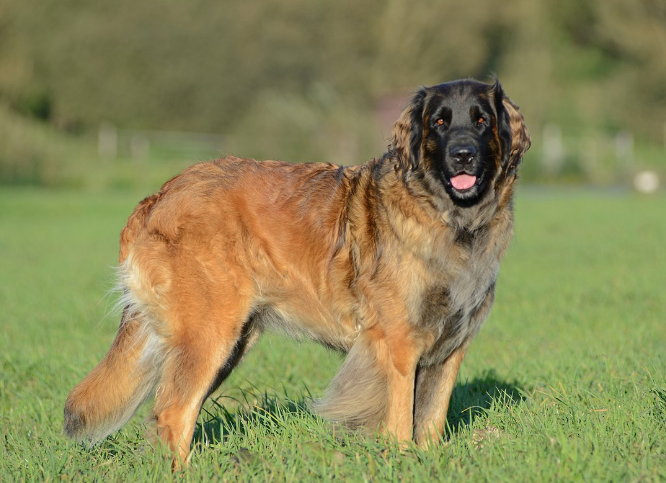
The Leonberger is a big, gentle dog that is known for being calm, loyal, and loving. While they were first bred to be working and family dogs, their special qualities also make them excellent psychiatric service dogs. These dogs can help people with mental health challenges by giving comfort, security, and even physical support. In this article, we’ll explain why the Leonberger is such a great choice for psychiatric service work.
1. The History of the Leonberger
The Leonberger began in Germany in the 1800s. Breeders mixed the Newfoundland, Saint Bernard, and Great Pyrenees to create a strong, kind, and noble-looking dog. The breed became popular with royalty in Europe but was also used on farms to pull carts and guard property.
Today, the Leonberger is loved for its mix of intelligence, strength, and gentle personality—all of which make it well-suited for service dog work.
2. Personality That Helps People
The Leonberger has the right kind of personality for a psychiatric service dog. These are some of their best traits:
- Gentle: Even though they are large, they are calm and gentle with people.
- Steady: They don’t get upset easily, which helps in stressful environments.
- Sensitive: They notice when their handler feels anxious, sad, or upset.
- Loyal: They form deep bonds and offer comfort just by being near.
Because of these traits, Leonbergers are excellent companions for people who need emotional support and stability.
3. Big Size, Big Benefits
The Leonberger is a giant breed. They can weigh 90–170 pounds and stand over 2 feet tall at the shoulder. Their size can be very helpful for service work:
- Deep Pressure Therapy (DPT): They can lie across a person’s lap or chest to provide calming pressure during panic attacks.
- Blocking: They can stand between their handler and crowds, creating space and reducing stress.
- Light Mobility Support: Their strength means they can help someone stand up or steady themselves if needed.
Their size makes them feel like a steady, safe presence, which can be very comforting.

4. Smart and Trainable
Leonbergers are very smart and enjoy learning new things. This makes it possible to train them for many service tasks, such as:
- Noticing the signs of a panic attack or anxiety.
- Stopping harmful behaviors like pacing or scratching.
- Reminding their handler to take medicine.
- Leading their handler away from stressful situations.
They learn best with positive training methods that use rewards, praise, and patience.
5. Comfort and Support Every Day
For people with anxiety, PTSD, depression, or other conditions, the Leonberger’s steady presence is incredibly helpful. They provide:
- Grounding: Their calm behavior helps bring their handler back to the present during panic or flashbacks.
- Routine: Caring for a Leonberger encourages daily structure and responsibility.
- Companionship: They give constant love and reduce feelings of loneliness.
Because of their size and calm nature, their support is always felt, both physically and emotionally.
6. Exercise and Grooming Needs
Leonbergers are active dogs, so they need the right care.
Exercise
They need about an hour of activity each day, like:
- Walks
- Swimming
- Playing fetch
- Mental games and training
Grooming
Their thick coat needs regular care:
- Brushing several times a week
- Extra brushing during heavy shedding seasons
- Regular nail trimming, ear cleaning, and dental care
Keeping up with exercise and grooming helps them stay happy and healthy.
7. Health and Lifespan
As a giant breed, Leonbergers can face some health issues, including:
- Hip and elbow problems
- Heart disease
- Bloat (stomach twisting)
- Certain cancers
They usually live 8–10 years, which is shorter than smaller dogs, but with proper care they can live full, happy lives.
8. Training a Leonberger for Service Work
Training should begin when they are puppies. Here are some tips:
- Start socialization early, letting them meet many people and visit different places.
- Use positive reinforcement—praise and treats work best.
- Keep training sessions short but consistent to hold their attention.
- Practice calm behavior in public places, since they’ll need to go everywhere with their handler.
With good training, a Leonberger can be a reliable and loving psychiatric service dog.
Conclusion
The Leonberger is more than just a big, beautiful dog—it has the heart, brain, and calm personality to make an excellent psychiatric service dog. Their size allows them to perform tasks like deep pressure therapy, while their sensitivity helps them notice emotional changes in their handler. Although they need regular care, grooming, and training, the support they provide for people with psychiatric conditions is life-changing.
Frequently Asked Questions (FAQs)
1. Are Leonbergers good service dogs for beginners?
They can be, but because of their size and care needs, they are usually best for people with some dog experience.
2. Do Leonbergers get along with kids?
Yes, they are gentle and loving with children when properly trained and socialized.
3. Can Leonbergers help during panic attacks?
Yes, they can calm their handler by lying on them, creating space, or offering comfort with their presence.
4. Are Leonbergers hard to travel with?
They can travel, but their size makes it harder, especially on planes.
5. How much exercise does a Leonberger need?
They need at least one hour of exercise every day to stay healthy and calm.
The post Why the Leonberger Makes a Great Psychiatric Service Dog first appeared on Emotional Pet Support.”}]]