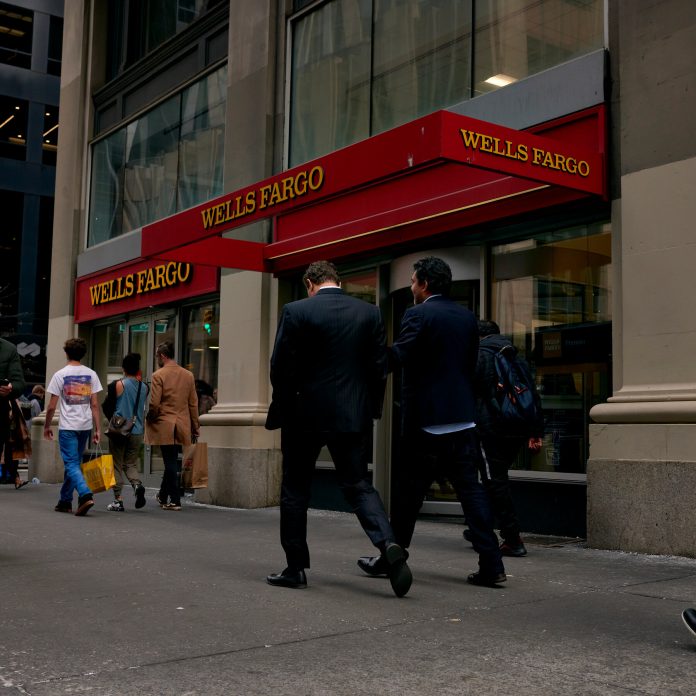

A Wells Fargo banker and a U.S. government employee were blocked from leaving, and a Japanese pharmaceutical executive was imprisoned, even as Beijing tries to court overseas investors.
China wants foreign businesses to invest more in the country, but recent actions taken against foreign executives and a U.S. government employee are sending a chill.
Chinese authorities have blocked a U.S.-based Wells Fargo banker from returning home, and separately sentenced a Japanese executive to more than three years’ imprisonment for espionage.
Although few details of the cases have been made known, they are a reminder of China’s expansive security apparatus and what to some executives, business groups and foreign governments is an opaque legal system that makes traveling to the country risky.
In a separate case, a U.S. government employee who had traveled to China on a personal trip has also been prevented from leaving the country for many weeks, said two people with a detailed knowledge of the case. The Washington Post first reported that the employee was unable to leave the country.
The Wells Fargo executive, Mao Chenyue, was not detained. But she has been ordered not to leave China, according to the bank. “We are closely tracking this situation and working through the appropriate channels so our employee can return to the United States as soon as possible,” Wells Fargo said in a statement.
On Monday, the Chinese foreign ministry confirmed at a regular briefing that Ms. Mao was not allowed to leave China for the time being, saying that she was “involved in a criminal case” and was obligated to cooperate with an investigation by the authorities.